
Olde Town: a historic core where the creek still matters
Olde Town is the historic downtown of Issaquah. The Railroad Depot at 78 First Avenue NE was built in 1889 and the city bought it in 1984. The Alexander house, built in 1902 and restored in 1989, now holds the Visitor Information Center on NW Gilman Boulevard.
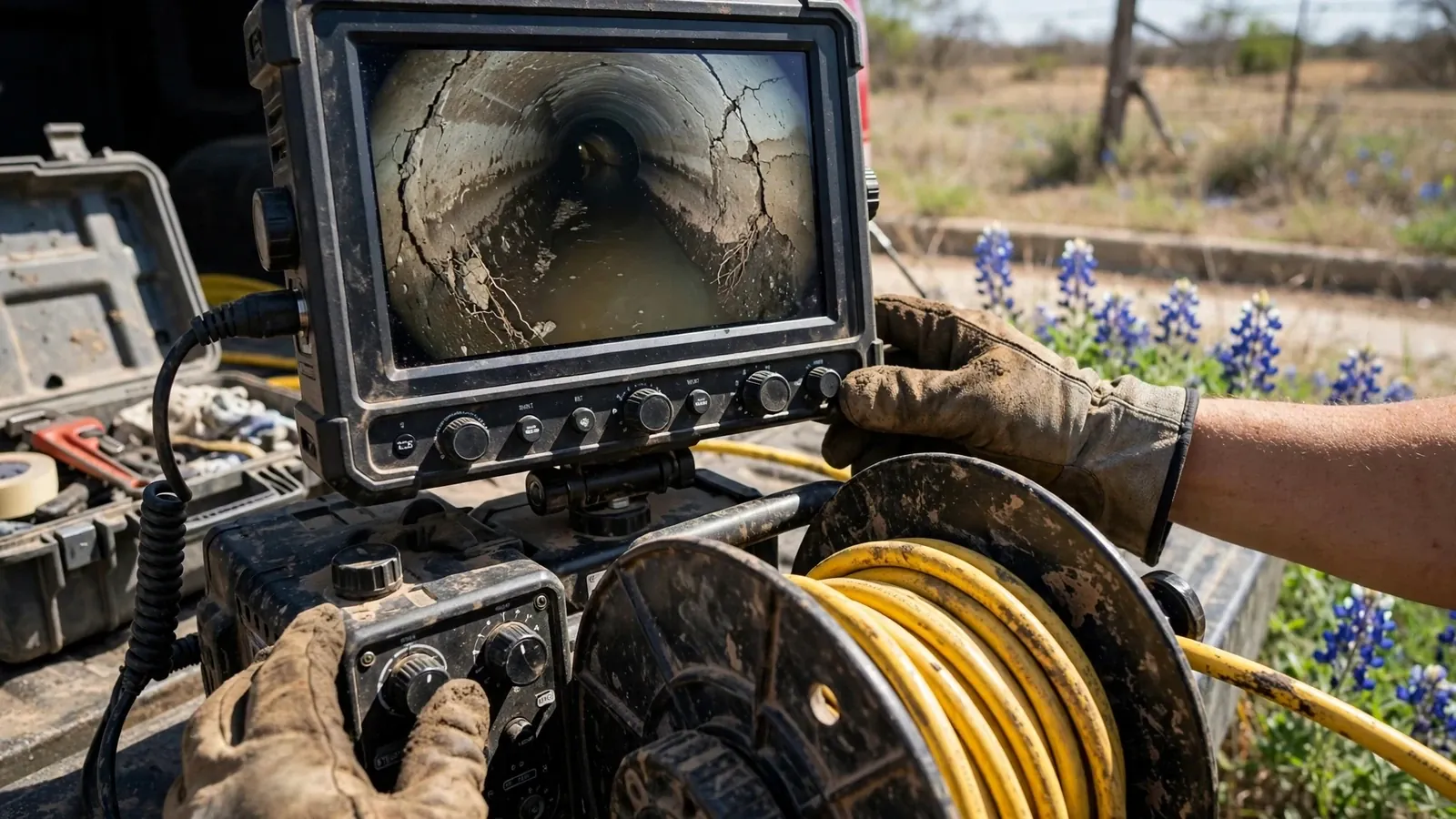
Not every building here is historic, and a building's age alone never tells us what pipe is inside. We use a camera and a pressure check, not the date on a plaque.
Issaquah Creek and flood-season habits
King County lists Issaquah Creek as running through the city and creating an urban flood hazard area, and it notes flooding on the creek in February 2020 that damaged nearby homes. In January 2009, after almost two weeks of snow followed by rain and melt, the creek reached phase 3 and the city warned residents of flood-prone areas to block basement drains.
We are not saying any particular Olde Town street flooded. The point is that creek-side properties deserve a plan before the next storm.
General guidance before a high-water event
- Locate your main water shutoff and your sewer cleanout now, not during the storm.
- Follow the city's current flood alerts and stay out of floodwater.
- After water recedes, check floor drains and lower fixtures for slow drainage before you use them.
The side sewer in an older downtown
In the city's terms, the side sewer is the stretch of pipe linking a downtown building to the main in the street. Upkeep and repairs fall to the property owner, while mains in public rights of way and city easements fall to Issaquah.
If you are buying downtown, a sewer camera inspection is a useful addition to a standard home inspection. If a line is already slow, sewer line cleaning is the usual first step, and sewer line repair follows only when the camera shows a defect.
Digging and downtown utilities
Older streets can carry several buried lines close together. Before any excavation, make your 811 request early, because marking can take two to 10 full business days. If you manage a downtown shop or restaurant instead of a home, our commercial plumbing page covers that side of the work.
| Situation | What to check first | Page |
|---|---|---|
| Buying an older downtown house | Camera look at the buried sewer line | Sewer inspection |
| A slow main drain after heavy rain | Whether every fixture is slow or only one | Drain cleaning |
| Old supply pipe in a wall | Wet spots, low pressure and stained water | Repiping |
| A leak under a floor | Meter reading with all water off | Leak detection |
Plumbing question in Olde Town? Call and give us your street.
Call (425) 845-0257Do not assume it. The City of Issaquah's report names Issaquah Highlands and Talus as normally on regional supply, and it describes the city's own groundwater wells for other areas. Ask the city which source serves your address and read its latest water quality report.
It is worth considering. Standard home inspections stop at the surface, so a buried sewer line goes unchecked. Under city rules the side sewer belongs to the owner, which means a defect becomes your bill after closing. A camera pass shows the line's condition up front, while price and repairs can still be negotiated.
Sewage rising inside your house or on your lot is yours to deal with, according to the city. If the overflow is at a city manhole, report it to Public Works by phone. The business-hours number is 425-837-3470 and the after-hours number is 425-837-3200.
During the January 2009 flood, the city told residents in flood-prone areas to block basement drains and stay out of floodwater. Follow current city alerts, and ask a plumber before blocking any drain, because blocked drains can trap water inside.
Yes, any digging should start with a request to 811 or callbeforeyoudig.org. The state utilities commission advises making it two to 10 full business days ahead. The locate is free in most situations, and professional locators mark the buried lines for you.
Where these facts come from
Landmark dates and street names come from the Issaquah Chamber of Commerce historic downtown page. The flood details come from the King County Sammamish watershed page and a January 2009 Issaquah Reporter article. Side sewer, backup and Public Works details come from City of Issaquah pages, and the 811 notice period comes from the Washington Utilities and Transportation Commission. Nearby neighborhoods are covered on our Issaquah Highlands and Talus pages.
Source type: Issaquah Chamber of Commerce, King County, City of Issaquah, WA UTC