
Confirm the leak first
Read the water meter, then make sure no water is used in the house for two hours, including ice makers and irrigation. Read it again. EPA guidance says that if the meter changes at all, you probably have a leak.
Then close the main shutoff at the house and look at the meter again. If it still moves, the leak is between the meter and your shutoff. If it stops, the leak is inside the house or on a line past the shutoff.
Signs in the yard
- A section of lawn that stays green or soggy in dry weather.
- A sunken patch or a small sinkhole over the pipe route.
- Water or mud surfacing near the meter or foundation.
- A drop in water pressure at every fixture.
- The sound of running water near the meter or a cleanout.
Wet winters can mask these signs, since the ground is damp anyway. The meter test works in any season.
How leaks are pinpointed
| Method | How it works | Best use |
|---|---|---|
| Acoustic listening | Ground microphones pick up the sound of escaping water | Pressurized supply lines |
| Line locator | A signal traces the route and depth of the pipe | Finding the pipe path before digging |
| Tracer gas | A safe gas is introduced and detected at the surface | Hard-to-hear or plastic lines |
| Pressure test | A section is isolated and watched for a drop | Confirming which segment leaks |
| Thermal imaging | Shows temperature differences in damp ground | Hot water lines or shallow leaks |
A pro usually combines two methods. The result is a mark on the ground within a few feet, and a hole sized to the repair. Our leak detection page covers the full process.
Before any digging
A leak repair means excavation, and excavation means a utility locate. Washington's Utilities and Transportation Commission says to call 811 or visit callbeforeyoudig.org two to ten full business days before work begins. The service is free in most cases, and locators mark underground utilities.
For an active leak you can still shut off the water and arrange the repair around the locate. Our water line repair page explains the repair options.
What you can do while you wait for help
Close the main shutoff at the house if water is surfacing, and note the time and the meter reading. Take photographs of any wet or sunken area, and mark the spot with a flag or stake so the plumber can see it quickly. Keep children and pets away from soft ground, since a washed-out area can give way underfoot.
Repair options after the leak is found
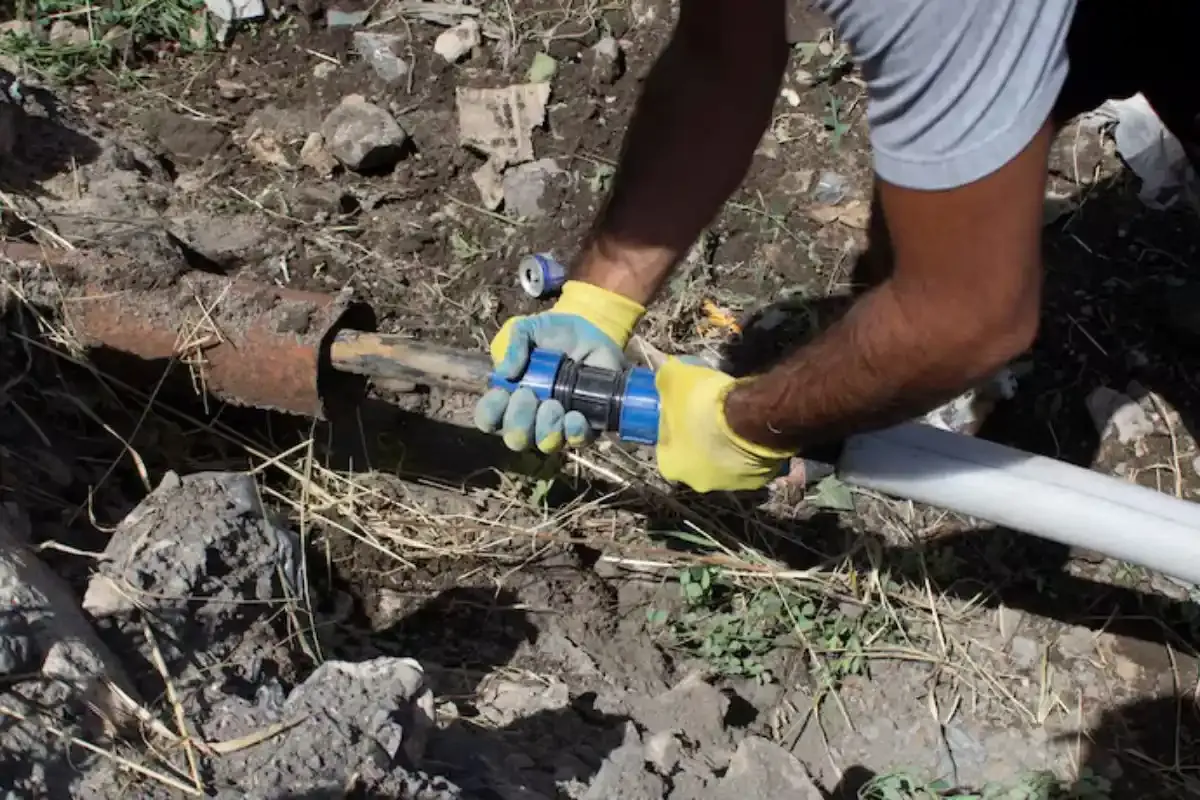
A spot repair excavates at the leak and replaces a short section. A longer replacement may make sense if the pipe is old and weak in several places. The choice depends on the pipe material, the depth and what sits above the line, such as a driveway or landscaping.
Keep a record of your water bills for the past year. A step up in usage that begins on a specific month helps the plumber estimate how long the leak has been running, and it gives the utility a basis to review your account if the meter reading was off.
Who to call in Issaquah
The City of Issaquah's 2021 water quality report lists the utility at 425-837-3470. If your meter keeps running, ask the utility about the meter reading history and where its responsibility ends. The city's water comes from four groundwater wells in the Lower Issaquah Valley Aquifer plus regional water, and the Sammamish Plateau is served by separate districts, so check your bill for the right utility.
Issaquah Creek runs through the city and King County lists it as an urban flood hazard area. Low, creek-side ground stays wet, which makes a locator more useful than a visual check.
Source type: City of Issaquah 2021 water quality report, Washington UTC 811 guidance and King County flood information
What it costs to ignore it
EPA WaterSense estimates that the average household's leaks waste more than 9,300 gallons a year, and nine percent of homes leak 50 gallons or more per day. An underground leak runs all day and night, and it can wash out soil under a driveway or slab.
The sooner it is found, the smaller the repair. A pinhole in a yard line is a modest fix, and a washed-out trench is a larger one.
On the Sammamish Plateau, the first call for a running meter goes to the local district, and our Sammamish page describes that split. The service area page shows how our coverage fits together.
Suspect a buried leak? Call (425) 845-0257.
Call (425) 845-0257Start with the meter test to see which side of your shutoff the leak is on. If it is past the meter, call a plumber. If you are unsure where the utility's responsibility ends, ask the water utility, since it owns the meter.
Often yes. Listening and thermal methods usually narrow the spot, and a small opening is cut after.
It depends on the policy. Gradual wear on underground lines is often excluded, so check yours.
Many searches take a few hours. Longer lines and complex layouts take longer.
No. Irrigation, guests and seasonal use can raise a bill. The meter test tells you if water is moving with everything off.