
Fall: get ready for wet and cold
- Disconnect garden hoses and drain outdoor faucets before the first freeze.
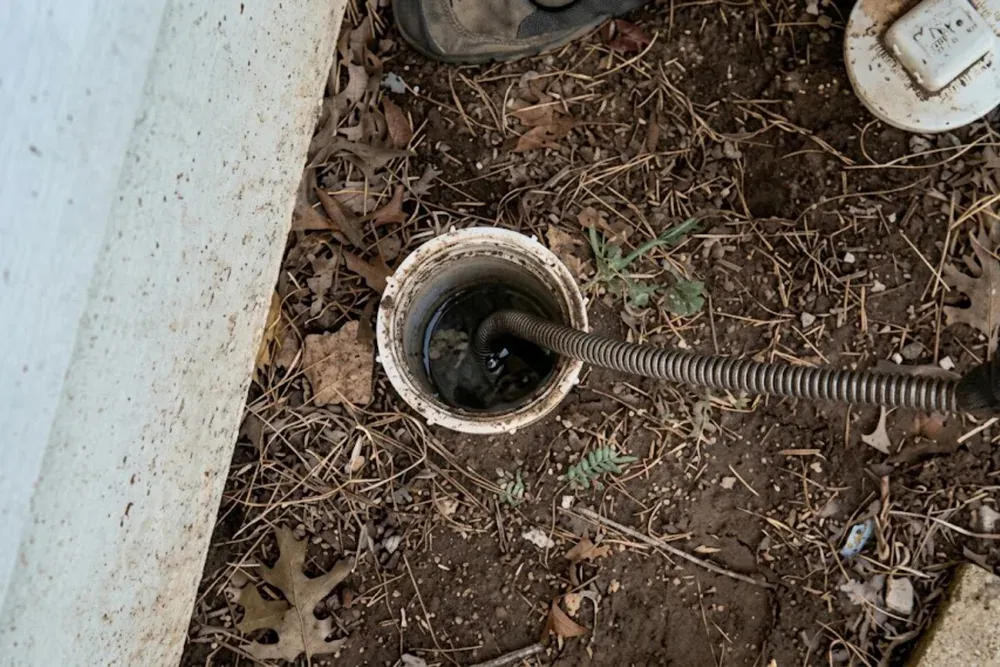
- Clear leaves from yard drains and catch basins, so heavy rain has somewhere to go.
- Check insulation on pipes in the attic, crawl space and garage.
- Find your main shutoff and test that it turns.
- Flush a few gallons from the water heater to carry out sediment.
The City of Issaquah told residents in flood-prone areas to block basement drains during the January 2009 creek flooding, and Eastside Fire and Rescue went door to door with tips. If you live near the creek, know where your floor drains are and what you would do if water rose.
Winter and spring: watch for what the weather reveals
- Check cabinets under sinks for moisture or mildew smell.
- Look at the ceiling below bathrooms for stains.
- Listen for running water when nothing is on.
- Run the meter test if your bill climbs.
- Check for slow drains after heavy rain.
EPA says that if your meter changes after two hours of no water use, you probably have a leak. It is a simple test that catches problems before they spread.
Summer: look at the hardware
| Item | What to check | Call a plumber if |
|---|---|---|
| Water heater | Rust, leaks, noise, relief valve | Water at the base or rumbling that continues after a flush |
| Toilets | Dye test for leaks | Color shows in the bowl, or the toilet rocks |
| Faucets | Drips, loose handles | Drips persist after cleaning aerators |
| Hose bibs | Leaks at the stem | Water inside the wall |
| Shutoff valves | Turn gently to test | A valve will not turn or leaks |
| Drains | Flow speed in each fixture | Several drains slow at once |
Habits that prevent clogs
Keep grease out of kitchen drains, use strainers in showers and tubs, and flush only toilet paper. Run hot water for a short time after using the disposal. Monthly, pour a pot of hot water down infrequently used drains to keep traps from drying out.
If a drain slows, act early. A clog that is cleared when slow costs far less than one cleared after a backup. See our drain cleaning page for how we handle them, and leak detection for the moisture signs above.
What to document for your records
Keep a short note with the date and model of your water heater, the location of the main shutoff and any past repairs. Photograph the area under each sink once a year, so a later leak is easy to compare. These simple records save time on a service call and help with an insurance claim if water damage ever occurs.
If you plan to sell, a tidy maintenance record shows buyers that the plumbing has been looked after, and it can shorten the inspection conversation.
Know these three valves
| Valve | Where to look | What it does |
|---|---|---|
| Main water shutoff | Where the line enters the house, often near the water heater or a front foundation wall | Stops all water to the house |
| Water heater shutoff | On the cold line above the heater | Isolates the heater for repairs |
| Fixture shutoffs | Under sinks and behind toilets | Stops water to one fixture |
Label each valve with a tag and show everyone in the household. In an emergency, the time spent hunting for a valve is time water keeps flowing.
A fifteen minute monthly walk-through
- Look under each sink for moisture, rust or a musty smell.
- Run every drain and watch how fast it clears.
- Check the water heater area for drips or a puddle.
- Listen for a toilet that refills on its own.
- Glance at the water meter to see whether it moves when nothing is on.
A short routine builds familiarity with how your plumbing sounds and looks when it is healthy. That familiarity is what lets you notice a change early, when it is cheap to fix.
Issaquah water quality and maintenance
The City of Issaquah's 2021 water quality report advises flushing taps for 30 seconds to two minutes before drinking or cooking if water has sat for several hours. Its water page says the city is filtering PFAS from its drinking water and that the water meets safe drinking water standards.
That makes the maintenance routine about your pipes, not your tap water safety. If you are on well-water mix areas, scale can build slowly, since the report lists well hardness at about 3 to 6 grains per gallon by standard conversion. A yearly heater flush and aerator cleaning handle most of it.
Source type: City of Issaquah 2021 water quality report, Water Quality page and PFAS page
The same yearly checklist works for plateau homes in Sammamish, and our Sammamish page notes where hillside pressure and lakeside drainage change the picture. The service area page lists where we work.
Want a pro to check your plumbing? Call (425) 845-0257.
Call (425) 845-0257Once a year is a common routine. The city's reported well hardness is moderate, so scale builds slowly, but sediment still collects.
Know where your main shutoff is and make sure it turns. It limits damage from any failure.
Cold snaps do happen, and the area had a snowstorm lasting almost two weeks before the January 2009 flooding. Insulate exposed pipes and disconnect hoses.
Not recommended. Chemical cleaners can harm pipes and are risky for the next person who opens a trap.
If you want a professional look at valves, heater and drains once a year, yes. It finds issues before they become emergencies.